



If you are thinking about listing your home, you probably want to know more than what it may be worth.
You also want to know how long it could take to sell.
That question becomes especially important when a sale is connected to another purchase, a relocation, a job change, downsizing, or another major life event.
The short answer is that there is no exact number for every property.
But current Cheyenne market statistics can give sellers a useful starting point.
How Fast Are Homes Selling in Cheyenne Right Now?
According to Cheyenne MLS statistics for August 2026, city residential properties spent an average of 21 days on the market. Existing city homes averaged 19 days, while new construction averaged 48 days.
That does not mean every Cheyenne homeowner should expect an accepted offer in exactly three weeks.
Some homes sell much faster.
Others remain available for significantly longer.
The time it takes to sell your particular property will depend on several factors, including your asking price, condition, location, competition, marketing, and the number of buyers searching in your price range.
What Does “Days on Market” Actually Mean?
Days on market generally tracks how long a property is actively listed before reaching the point defined by the MLS statistic.
It is useful for understanding market pace, but sellers should not confuse average market time with the entire home-selling timeline.
Even after a seller accepts an offer, the transaction normally still needs to move through additional steps before closing.
These can include:
- Buyer inspections
- Repair negotiations
- Appraisal
- Financing
- Title work
- Contract deadlines
- Final walkthrough
- Closing paperwork
So if you need to be completely moved and have proceeds from your sale available by a particular date, planning should begin well before the day you want to close.

1. Your Asking Price Can Affect How Quickly You Sell
Pricing is one of the biggest factors affecting market time.
Buyers today can quickly compare your property against similar homes online.
If comparable homes appear to offer more value, buyers may skip your listing or wait to see whether you reduce the price.
Starting considerably above market value may seem like a way to leave room for negotiation, but it can also reduce early interest.
That early listing period matters because a newly listed home is fresh to the buyers already watching your price range.
A strong pricing strategy aims to attract the right buyers while still protecting the seller's financial goals.
2. Property Condition Makes a Difference
Two homes in the same neighborhood with similar square footage can receive very different responses.
Why?
Condition matters.
Buyers may compare:
- Roof condition
- Heating system
- Flooring
- Paint
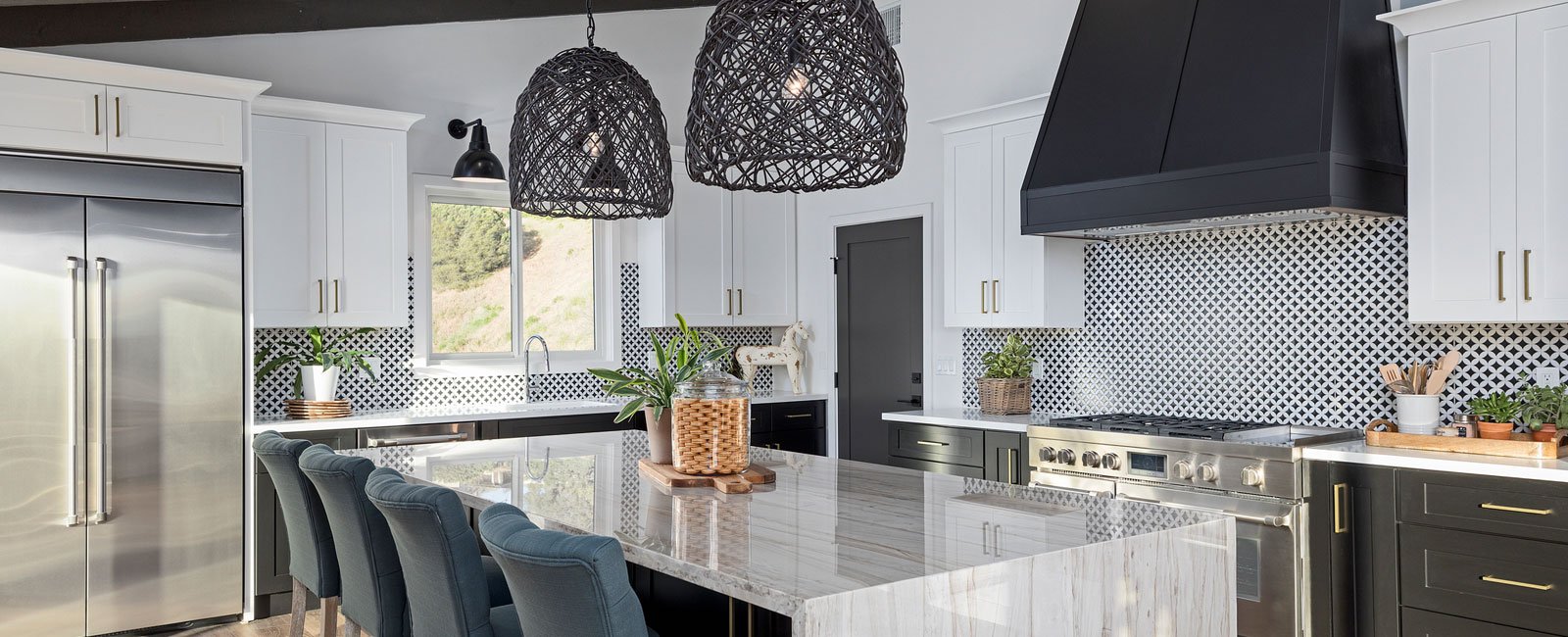
- Kitchens and bathrooms
- Windows
- Exterior maintenance
- Landscaping
- Overall cleanliness
- Signs of deferred maintenance
That does not mean every seller needs to renovate before listing.
Often, simple preparation can make a meaningful improvement.
Cleaning, decluttering, completing minor repairs, touching up paint, and improving curb appeal can help buyers focus on the positive features of the property.
3. Your Price Range Affects Buyer Demand
Not every segment of the Cheyenne real estate market moves at the same speed.
The number of qualified buyers looking below $400,000 may differ from the number shopping at $700,000 or above.
Likewise, demand for condos, city homes, new construction, rural properties, and acreage can differ.
August 2026 local MLS data illustrates that point. City residential properties averaged 21 days on market, while rural residential properties averaged 34 days.
That is why comparing your property with the right homes matters more than relying on one citywide statistic.
4. Location Can Affect Your Selling Timeline
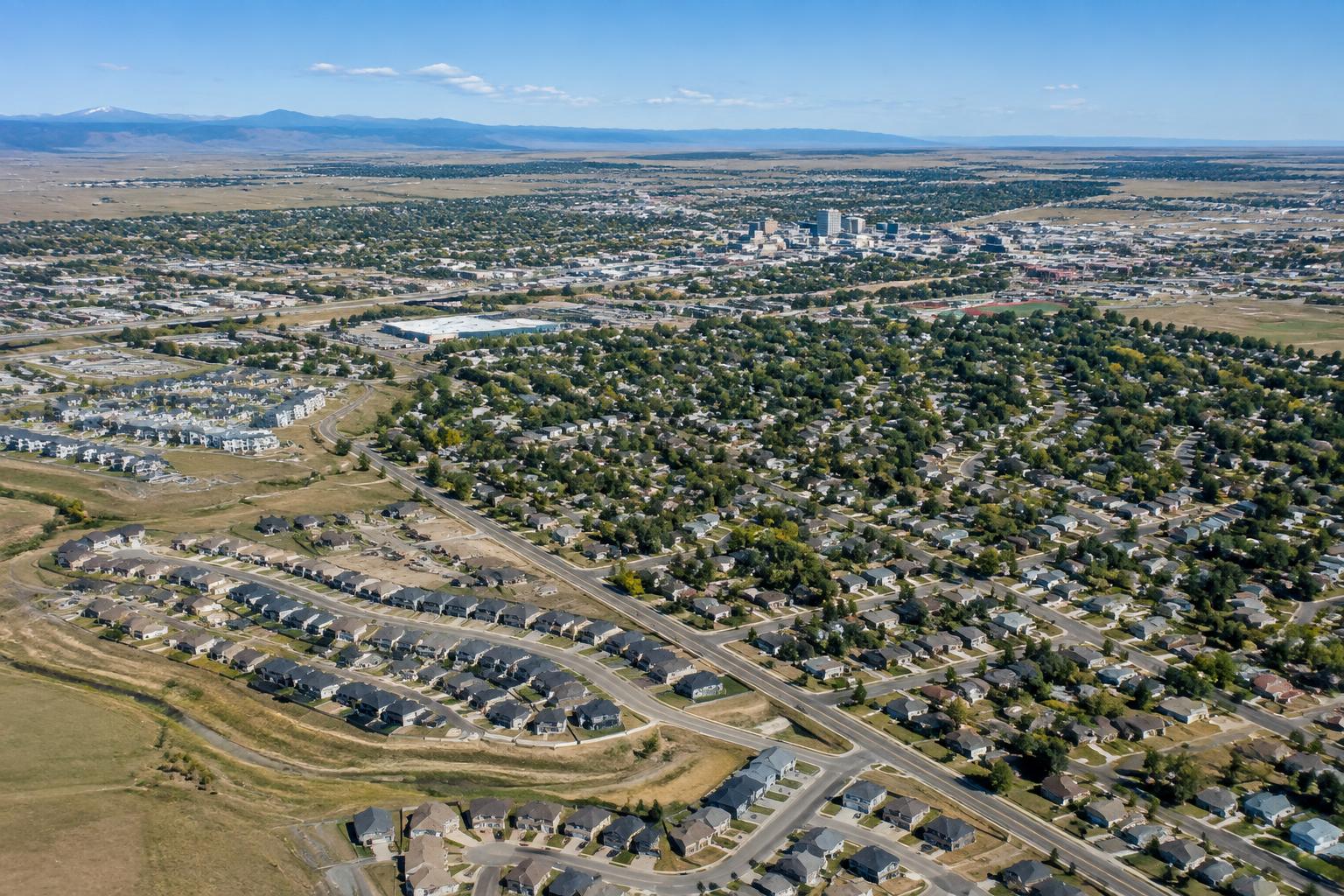
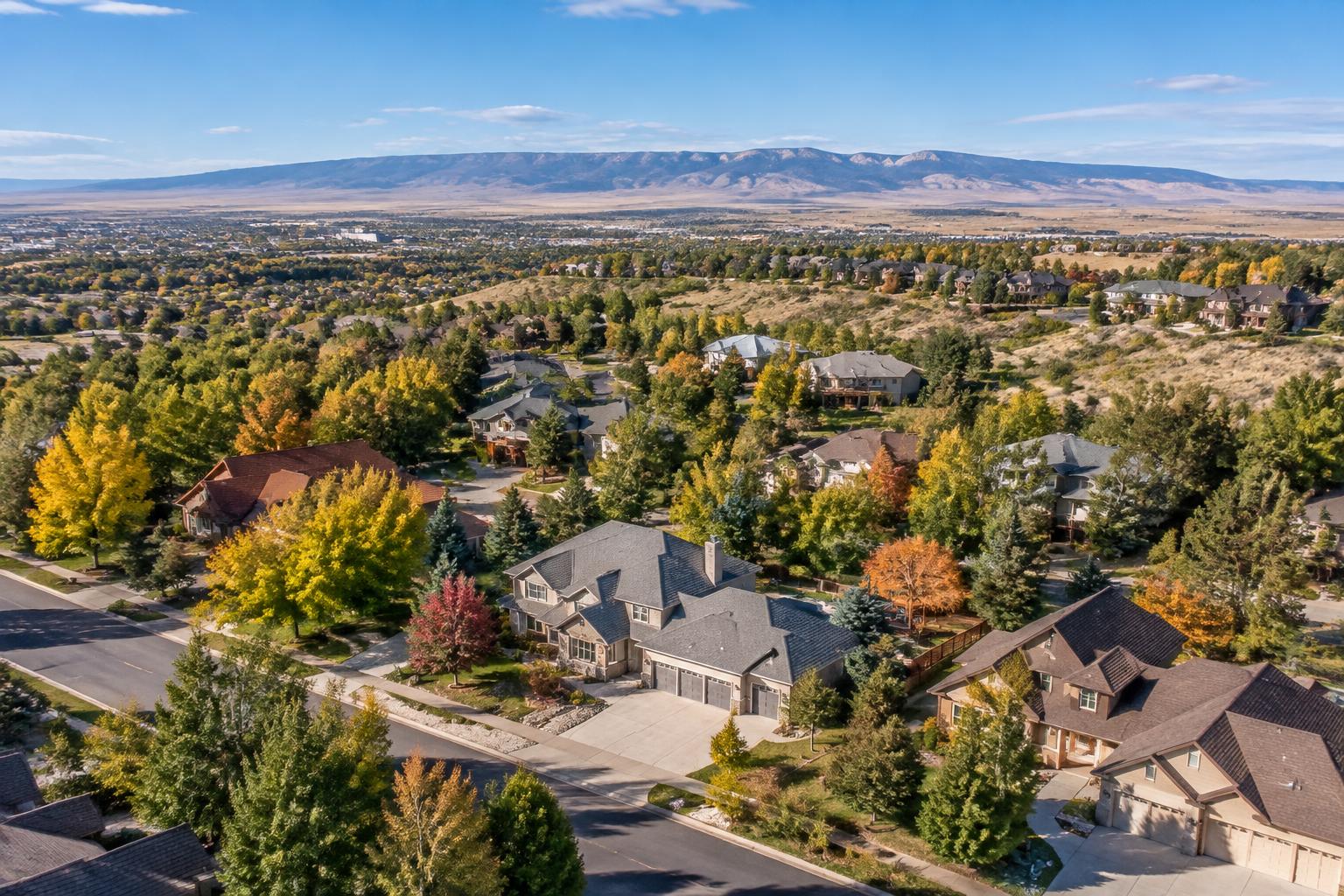
Cheyenne contains a wide variety of housing.
Buyers searching around central Cheyenne may have different needs from buyers looking in Saddle Ridge, Whitney Ranch, northern Cheyenne, Pine Bluffs, or rural Laramie County.
Location can affect:
- Comparable sales
- Buyer demand
- Lot size
- Property type
- Commute considerations
- Available competing homes
A good market analysis should therefore focus on relevant comparable properties rather than treating every Cheyenne listing as interchangeable.
5. Listing Photos and Marketing Influence First Impressions
Most buyers encounter your home online before ever walking through the front door.
That means your digital presentation matters.
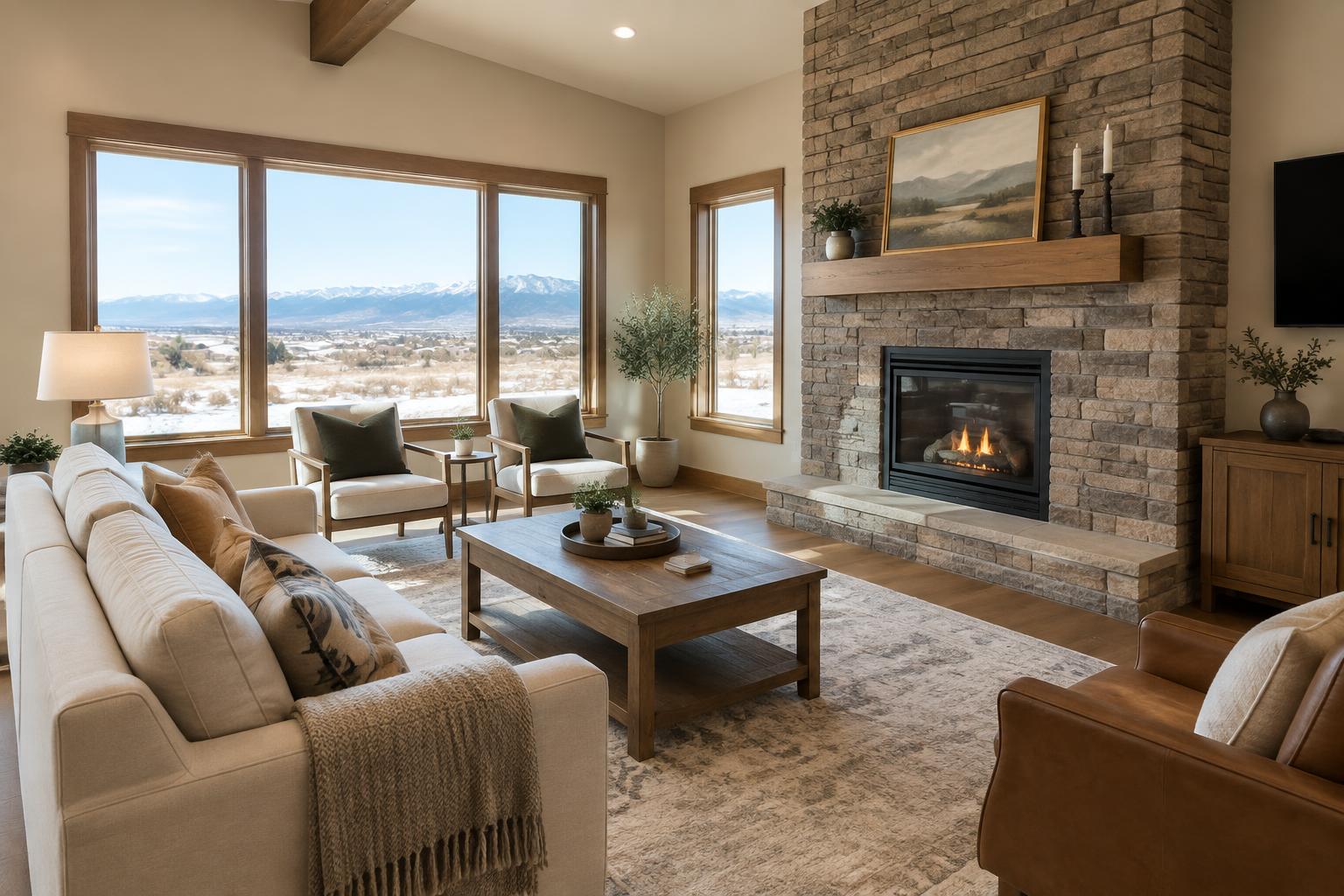
Good marketing should clearly show the home's layout, important features, exterior, and overall condition.
Preparation before photography can help.
Open blinds, clear counters, remove excess items, straighten rooms, replace burned-out bulbs, and make sure exterior spaces appear cared for.
Your goal is to make it easy for potential buyers to understand the property and decide that it is worth seeing in person.
6. Access for Showings Can Affect Buyer Activity
Making your home available for showings is not always convenient, particularly if you are still living there.
However, very limited showing availability may reduce the number of buyers who can see the home.
You do not have to make your schedule completely open at all times.
Instead, work with your Realtor to create showing expectations that balance your daily life with the goal of giving qualified buyers reasonable access.
7. The First Offer Is Not the Finish Line
Receiving an offer is an important milestone, but sellers should evaluate the complete contract.
Look at more than the purchase price.
An offer may also include:
- Financing terms
- Inspection provisions
- Closing date
- Earnest money
- Seller concessions
- Contingencies
- Personal property requests
Once an offer is accepted, staying organized through the contract period can help keep the transaction moving toward closing.
How Can You Help Your Cheyenne Home Sell Faster?
There is no legitimate way to guarantee how quickly a property will sell.
There are, however, several things sellers can control.
Start by understanding the local market. Price the home using relevant comparable sales. Complete reasonable repairs before listing. Present the home well online. Make showings accessible when possible. Respond to offers and transaction deadlines promptly.
Most importantly, watch how buyers respond once the home is listed.
If a property receives many online views but few showings, or plenty of showings but no offers, that feedback can provide useful information about pricing or presentation.
Should You Sell in Fall or Wait Until Spring?
Many homeowners assume spring is always the best time to sell.
Real estate is more personal than that.
If you need to move this fall, there are still buyers searching in Cheyenne.
Waiting several months also has costs and tradeoffs, including mortgage payments, maintenance, utilities, and the uncertainty of what market conditions will look like later.
The better question is whether selling now makes sense based on your goals and current market conditions.
Conclusion: Your Selling Timeline Starts With a Plan
So, how long does it take to sell a house in Cheyenne?
Recent local data gives sellers a useful benchmark, but your home's actual timeline depends on its price, condition, location, competition, marketing, and buyer demand.
The best way to estimate your potential selling timeline is to look specifically at properties similar to yours.
If you are considering selling a home in Cheyenne, Wyoming, or elsewhere in Laramie County, Mary Knox can help you review comparable sales, current competition, and the steps needed to prepare your property for market.
Contact Mary Knox to discuss your home, your ideal timeline, and what the current Cheyenne market may mean for your sale.