



When searching for a home in Cheyenne, Wyoming, it's easy to focus on the listing price.
You find a property you like, estimate the monthly mortgage payment, and start imagining what life could look like in your new home.
But before making an offer, it's important to understand the bigger financial picture.
The actual cost of owning a home includes more than your monthly principal and interest payment.
When buying a home in Cheyenne, WY, buyers should budget for mortgage payments, property taxes, homeowners insurance, closing costs, utilities, maintenance, and any applicable homeowners association fees.
These expenses vary depending on the property, financing, location, and your individual circumstances.
Here's what buyers should consider before purchasing a house in Cheyenne or the surrounding Laramie County area.
1. Understand Your Full Monthly Mortgage Payment
Your mortgage principal and interest are important, but they may not represent your entire required monthly payment.
Depending on your loan and escrow arrangements, your payment may also include:
- Property taxes
- Homeowners insurance
- Mortgage insurance, when applicable
The interest rate, loan term, down payment, and loan amount all influence how much you pay.
For example, two homes with similar listing prices may have different total ownership costs because of differences in taxes, insurance, or association dues.
Before beginning your search, ask your lender for a realistic estimate based on your financing situation.
Mary Knox's website also provides a mortgage calculator and buyer resources to help you begin planning.
2. Include Laramie County Property Taxes
Property taxes are an ongoing expense that buyers should understand before closing.
In Cheyenne and surrounding Laramie County communities, property taxes depend on the property's assessed value, applicable tax rates, and other relevant factors.
The amount paid by a previous owner may not represent your future tax bill.
Property ownership changes, reassessment, exemptions, and tax law changes can affect the amount due.
Before purchasing, request information about the property's current taxes and ask your lender or closing professional how they will be estimated.
For official information, consult the Laramie County Assessor and the county's property tax resources.
Understanding your estimated annual taxes can help you budget more accurately.
3. Budget for Homeowners Insurance
Homeowners insurance helps protect your financial investment against certain covered events.
Your premium will depend on factors such as the property, coverage selections, deductible, insurer, and other underwriting considerations.
In southeastern Wyoming, it's worth reviewing how a policy addresses risks associated with wind, hail, and other weather-related damage.
Before finalizing coverage, ask an insurance professional about:
- Dwelling replacement coverage
- Wind and hail deductibles
- Coverage exclusions
- Personal property protection
- Liability coverage
- Optional coverage for specific risks
Not all policies provide the same protection.
If you're comparing multiple homes in Cheyenne, consider obtaining insurance quotes for the individual properties before making a final decision.

4. Prepare for Closing Costs
A down payment is often the largest upfront expense buyers think about.
However, closing costs are another important part of the budget.
Depending on your financing and transaction, these may include:
- Loan origination charges
- Appraisal fees
- Title-related expenses
- Recording fees
- Prepaid insurance
- Prepaid interest
- Escrow deposits
- Other applicable lender or closing charges
The exact amount will vary.
Your lender should provide a Loan Estimate explaining projected loan costs and other expenses.
Some transactions may involve negotiated seller contributions toward allowable closing costs.
These arrangements depend on the contract, financing program, and lender requirements.
Ask your lender and Realtor to help you understand the complete amount of money you'll need before closing.
5. Consider Cheyenne Utility Expenses
Utility costs can vary considerably between homes.
An older property with insufficient insulation may have different heating expenses from a newer, energy-efficient home.
Likewise, a larger house may require more energy than a smaller property.
When evaluating homes for sale in Cheyenne, ask about:
- Heating fuel and equipment
- Electric service
- Water and sewer
- Trash collection
- Internet availability
- Average seasonal utility usage
Cheyenne's colder months make heating efficiency an important consideration.
Buyers should look at insulation, windows, weather sealing, and heating system condition during their property evaluation.
For city utility information, the Cheyenne Board of Public Utilities provides resources about water, sewer, and billing.
Remember that a previous owner's utility bills may not match your future usage.
6. Account for Maintenance and Repairs
Homeownership comes with maintenance responsibilities that renters may not have experienced.
Appliances wear out. Plumbing fixtures develop leaks. Roofs require attention. Heating equipment needs servicing.
It's important to set aside funds for both planned maintenance and unexpected repairs.
Maintenance expenses depend on the home's age, size, condition, construction, and equipment.
Before buying a property, consider asking:
- How old is the roof?
- When was the heating system last serviced?
- Are major appliances nearing replacement?
- Have there been significant repairs?
- Are there visible signs of deferred maintenance?
A professional home inspection can help you better understand the property's current condition.
However, even a well-maintained home will require future spending.
7. Check for HOA Fees and Community Requirements
Some residential communities may have homeowners associations.
If you're considering a property within an HOA, review the associated costs and responsibilities.
Ask about:
- Regular dues
- Special assessments
- Maintenance responsibilities
- Property-use restrictions
- Architectural requirements
- Reserve funding
- Available association documents
An HOA may cover certain services, but buyers should verify exactly what is included.
Understanding these details can help prevent unexpected financial obligations after closing.
Not all neighborhoods or properties in Cheyenne have an HOA, so review each listing individually.
8. Remember Moving and Setup Expenses
Your purchase budget should also include the costs of transitioning into a new home.
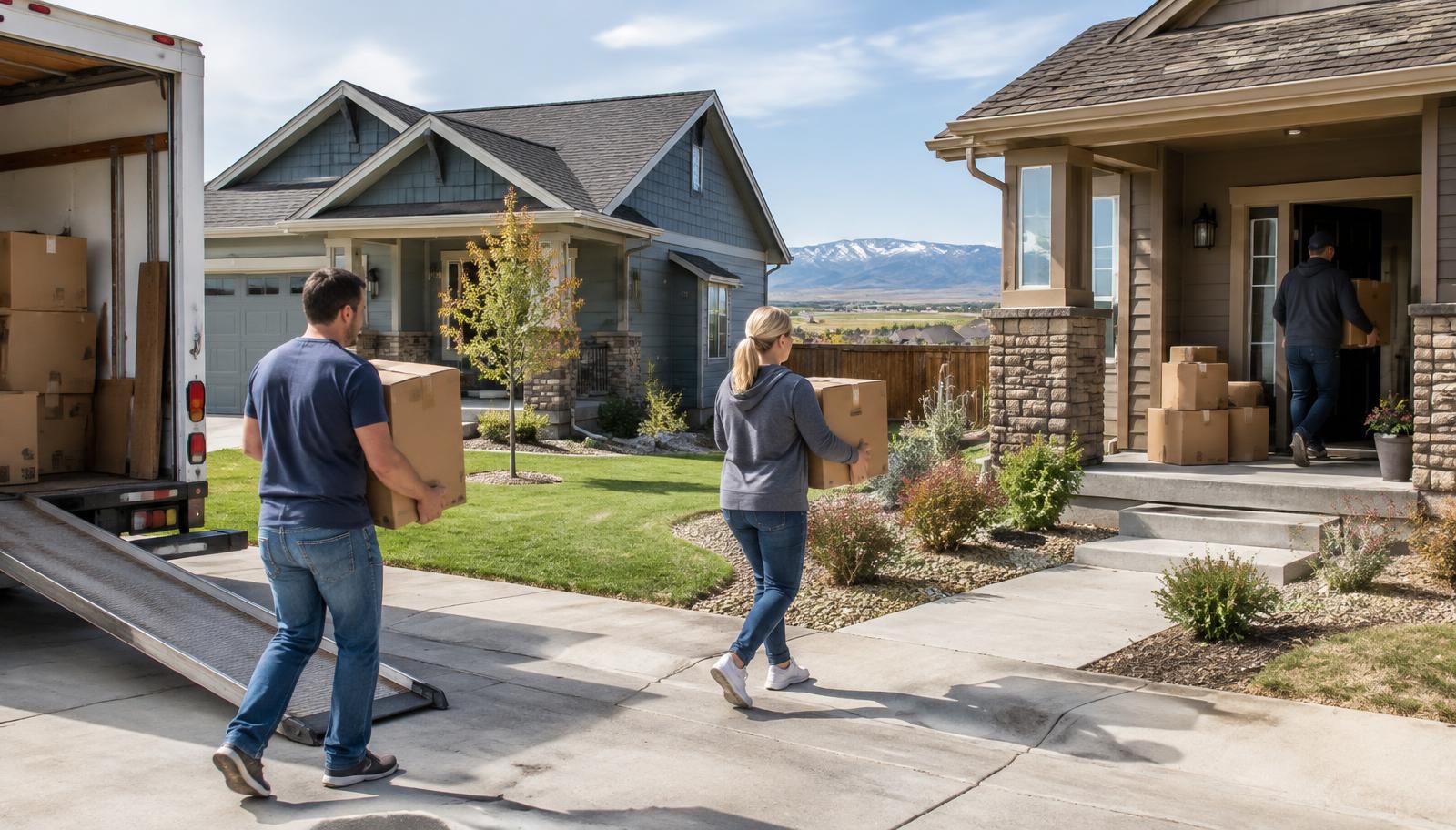
Moving expenses might involve professional movers, rental trucks, packing materials, or temporary storage.
Other possible costs include:
- Utility deposits or activation charges
- Internet installation
- New locks
- Cleaning supplies
- Window coverings
- Essential furniture
- Lawn and snow-removal equipment
These expenses can accumulate quickly.
Setting aside money specifically for moving and initial setup can help protect your savings after the purchase.
9. Compare Properties Based on Total Ownership Costs
A property's listing price doesn't always tell the complete story.
Imagine comparing two Cheyenne homes with similar asking prices.
One might have a newer roof, efficient heating system, and fewer anticipated repairs.
The other might require significant maintenance shortly after purchase.
Even if their monthly mortgage payments are similar, their total ownership costs could be very different.
That's why buyers should consider property condition, financing, utilities, insurance, and long-term maintenance when comparing options.
Working with a local Realtor can help you identify relevant questions before committing to a property.
Frequently Asked Questions About Buying a Home in Cheyenne
How much money do I need to buy a house in Cheyenne, WY?
The amount depends on the purchase price, loan program, down payment requirements, closing costs, and your financial situation. A mortgage lender can help determine what you qualify for and what funds you'll need.
Are closing costs separate from the down payment?
Generally, yes. Closing costs cover various transaction-related expenses, while the down payment is the portion of the purchase price you contribute upfront.
Do homeowners in Cheyenne pay property taxes?
Yes. Property taxes apply to real estate in Cheyenne and Laramie County, subject to applicable laws and exemptions.
Should I budget for repairs when buying a newer home?
Yes. Newer homes can still require maintenance, and equipment and materials will eventually need repair or replacement.
Conclusion: Know Your Budget Before Buying in Cheyenne
Understanding the full cost of homeownership helps you make better decisions during your property search.
A home should fit your budget not only on closing day but throughout the years you plan to own it.
By considering taxes, insurance, utilities, maintenance, and upfront expenses, you can compare properties with greater confidence.
Mary Knox, Realtor and Associate Broker with Coldwell Banker-The Property Exchange, helps buyers navigate the Cheyenne real estate market with personalized guidance.
Whether you're purchasing your first home or moving to another property, Mary can help you evaluate opportunities in Cheyenne and surrounding Laramie County communities.
Browse homes for sale in Cheyenne, WY or contact Mary Knox to begin planning.
Call or text: 307-631-1922