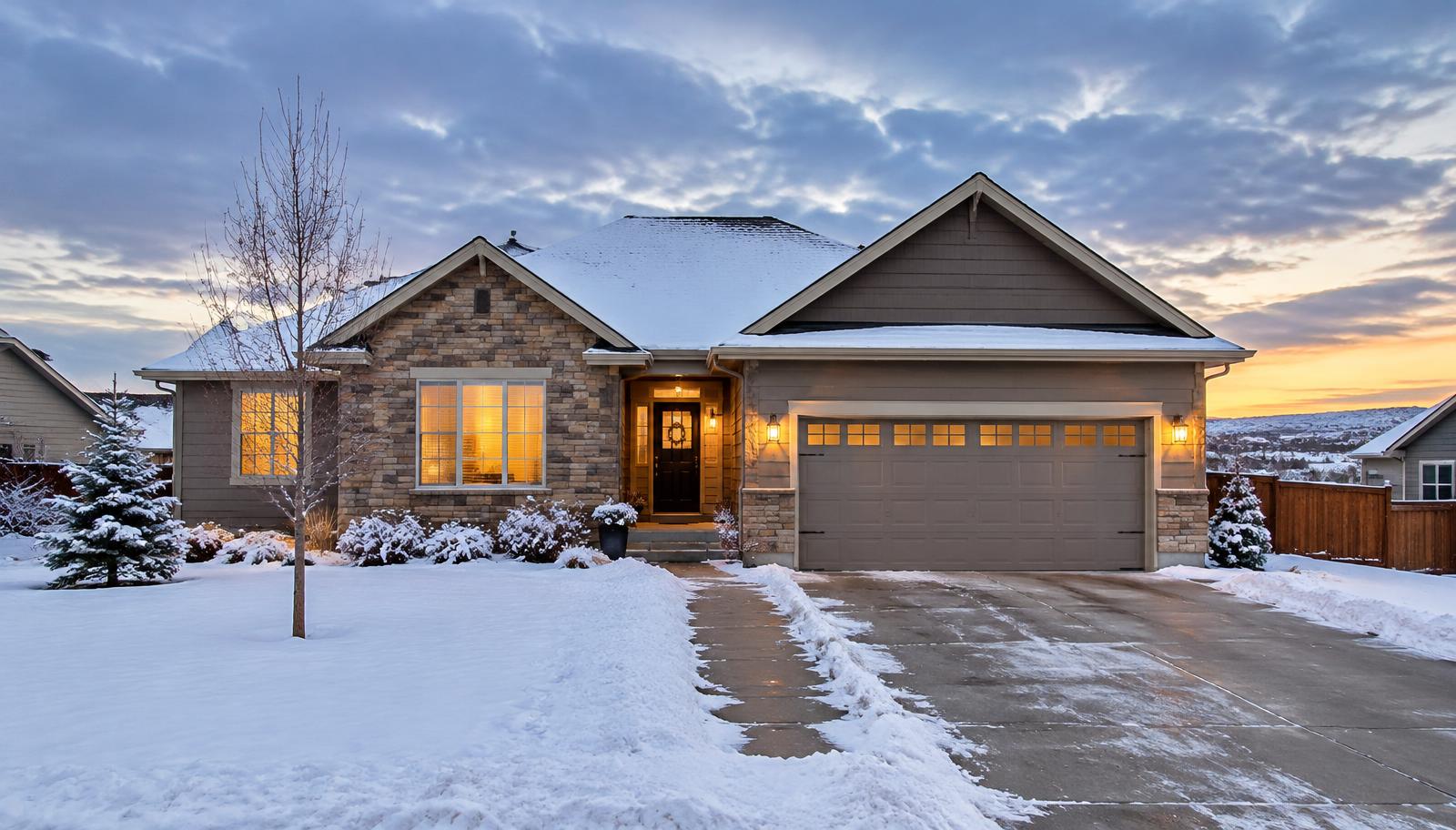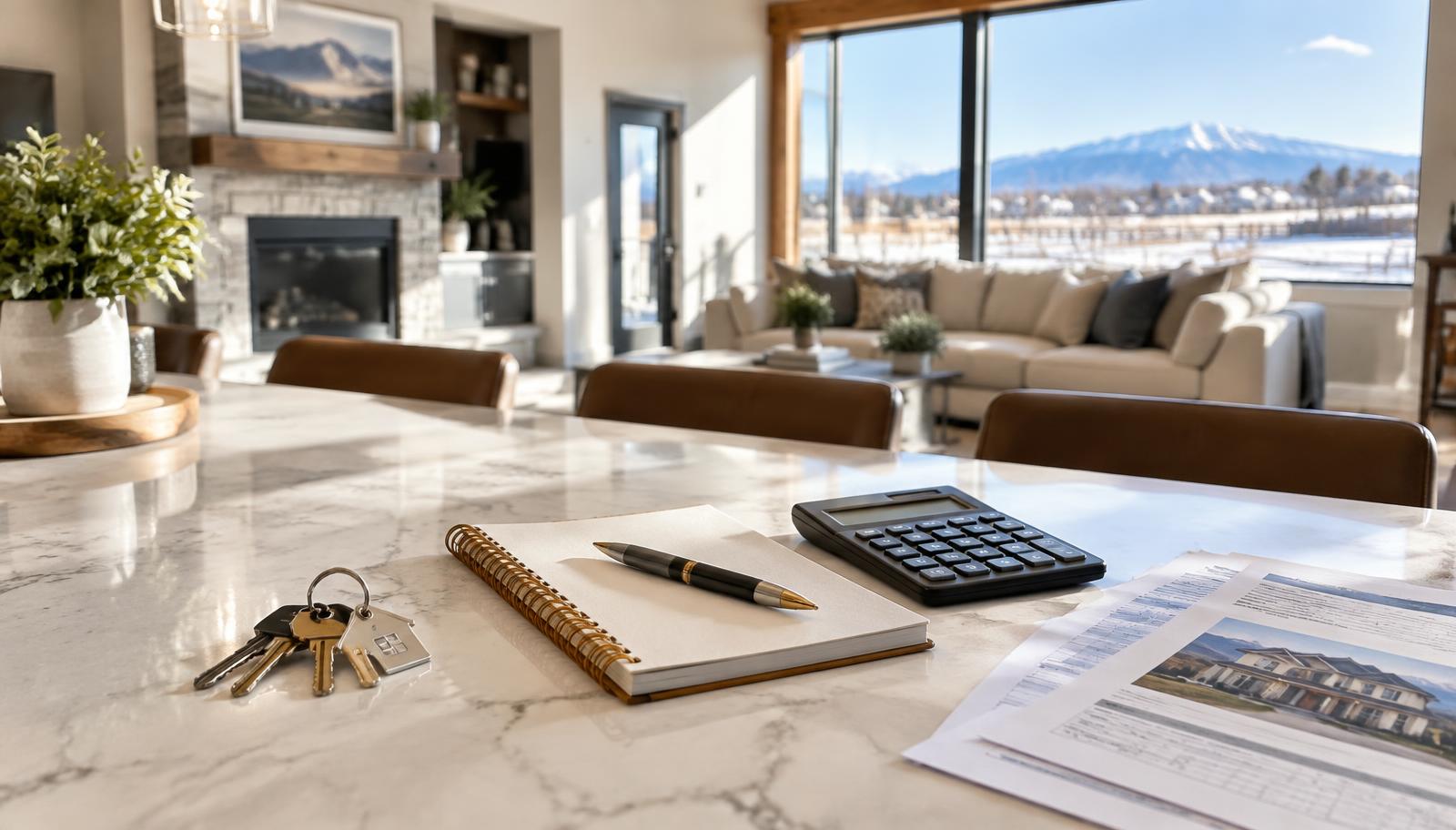




Selling your current home and buying another can be exciting, especially when your housing needs are changing.
Maybe you're ready for more space, want a different floor plan, need less maintenance, or are moving to another part of Cheyenne.
Whatever the reason, managing two real estate transactions at once can raise important questions.
Should you sell your current house first? Can you make an offer before your home sells? What happens if the closing dates don't line up?
The best way to buy and sell a home at the same time in Cheyenne, Wyoming, is to understand your financing options, evaluate your current home's market position, and develop a realistic plan for coordinating both transactions.
Here's what Cheyenne homeowners should consider before making their next move.
1. Understand Your Current Home's Value
Before searching seriously for your next home, start with the property you already own.
Your current home's estimated sale price, remaining mortgage balance, selling expenses, and available equity may all influence your next purchase.
For example, you may be planning to use proceeds from your current property toward the down payment on your next house.
That makes understanding your potential net proceeds especially important.
A comparative market analysis can help estimate how your home may be positioned in the Cheyenne real estate market.
Mary Knox offers home valuation guidance for Cheyenne sellers, including a review of comparable properties and factors affecting a home's potential market value.
Remember that an estimated selling price is different from the amount of money you may receive after closing costs, mortgage payoff, and other expenses.
2. Decide Whether to Sell First or Buy First
There isn't one approach that works for every homeowner.
Your financial situation, moving timeline, and comfort with uncertainty should guide the decision.
Option 1: Sell your current home first
Selling first can make it easier to know your available equity and avoid carrying two mortgages for an extended period.
You may also be in a stronger position to make a purchase offer without depending on a future home sale.
However, you could need temporary housing or an arrangement with the buyer if your next property isn't ready.
Option 2: Buy your next home first
Buying first may offer greater flexibility when searching for a property that meets your needs.
It can also reduce pressure to move immediately after selling your current house.
The challenge is financing.
You may need to qualify for a new mortgage while still owning your current property, and you could temporarily carry the expenses of two homes.
Discuss this possibility with your lender before making an offer.
Option 3: Coordinate both transactions
Some homeowners choose to list their existing property and search for a new home simultaneously.
This approach can work, but it requires careful planning around contract deadlines, financing, inspections, and closing arrangements.
A Realtor can help you understand the available options and potential risks.
3. Understand Home Sale Contingencies
A home sale contingency is a contract condition that may allow a buyer's purchase to depend on selling an existing property.
For example, you might make an offer on a home in Cheyenne that is contingent on the sale of your current residence.
This arrangement can provide financial protection under the agreed terms, but sellers may prefer offers with fewer uncertainties.
Acceptance depends on the specific property, market conditions, and the seller's priorities.
If you're considering a contingent offer, work with your Realtor to understand:
- The required deadlines
- What must happen for the contingency to be satisfied
- Notice and documentation requirements
- Potential consequences if your home doesn't sell
- Available options if the seller receives another offer
Never assume a contingency provides protection beyond what is actually written in the purchase agreement.
4. Prepare Your Existing Home Before Making a Move
If you plan to buy and sell at approximately the same time, preparing your existing home early can reduce unnecessary delays.
Consider completing manageable maintenance tasks, decluttering, organizing records, and arranging professional listing photography before your schedule becomes crowded.
You should also gather information about:
- Your existing mortgage
- Known property repairs
- Utility expenses
- Major improvements
- Applicable association documents
- Property-related warranties
- Recent maintenance
Having these details ready can help you respond to questions from potential buyers.

5. Compare the Timing of Both Transactions
Real estate transactions involve several important milestones.
These can include offer acceptance, earnest money delivery, inspections, appraisal, loan approval, title work, final walkthroughs, and closing.
When two transactions happen close together, a delay in one can affect the other.
For example, if proceeds from your current home are needed to fund the new purchase, a delayed sale could affect your next closing.
Before committing to specific dates, ask your lender, Realtor, and closing professionals how the proposed timeline would work.
You may need to explore possible arrangements such as temporary occupancy, short-term housing, or different closing dates.
Any post-closing occupancy arrangement should be documented properly and reviewed for insurance, financing, and liability implications.
6. Review Your Financing Options Carefully
Some homeowners may qualify to purchase a replacement property before selling their current home.
Depending on eligibility and lender requirements, possible financing approaches might include using existing savings, a home equity product, or short-term bridge financing.
These options can involve additional costs and financial risks.
Not every buyer will qualify, and the right approach depends on the complete financial picture.
Before making a decision, ask your lender to explain:
- Your qualifying income and debt obligations
- Available down payment funds
- Potential mortgage payments
- Closing cost requirements
- How existing home equity may be accessed
- The consequences of a delayed sale
Avoid committing to two properties based only on the expectation that your current home will sell quickly.
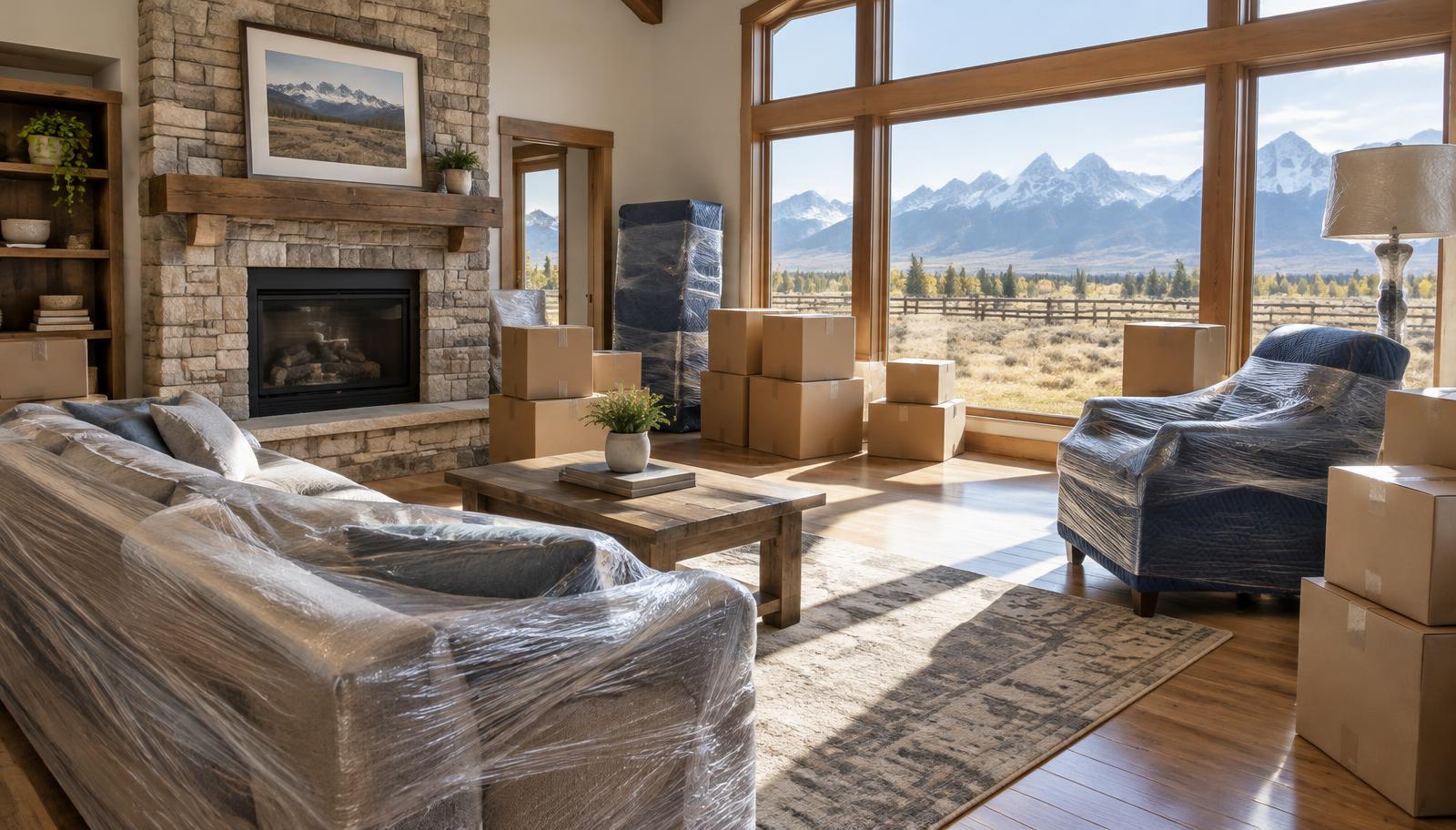
7. Plan for the Move Itself
Coordinating contracts is only one part of buying and selling simultaneously.
You'll also need a plan for moving your belongings and transitioning between homes.
Consider whether you need:
- Professional movers
- Temporary storage
- Flexible moving dates
- Utility service transfers
- Time for cleaning
- Arrangements for pets
- Access to your new home before moving
These details become especially important when the two properties close within a short period.
Planning ahead can help prevent your moving day from becoming more complicated than necessary.
8. Work With a Cheyenne Realtor Who Can Coordinate the Process
Buying and selling at the same time requires communication between multiple parties.
Your Realtor can help you understand local conditions, prepare your existing home, compare purchase options, and keep contract timelines organized.
Mary Knox works with buyers and sellers throughout Cheyenne and surrounding Laramie County communities.
As a Realtor and Associate Broker with Coldwell Banker-The Property Exchange, she provides personalized guidance throughout the process.
Whether you're moving across Cheyenne, downsizing, or purchasing a home with different features, having a coordinated strategy can make your next step more manageable.
Frequently Asked Questions About Buying and Selling in Cheyenne
Can I buy a house before selling my current home?
Possibly. Your ability to do so depends on financing, available funds, existing debt, and lender requirements.
What happens if my house sells before I find another?
You may need to negotiate timing arrangements, consider temporary housing, or explore other options. The availability of any arrangement depends on the parties and contract terms.
Can I make an offer contingent on selling my current home?
Yes, contingent offers are possible, but acceptance is not guaranteed. Your Realtor can help you evaluate whether that approach makes sense for a specific property.
Should I use the same Realtor to buy and sell?
Working with one Realtor for both transactions can simplify communication and scheduling when the Realtor is qualified to handle both. However, representation arrangements should be reviewed and agreed upon.
Conclusion: Make Your Next Cheyenne Move With a Coordinated Plan
Buying and selling a house at the same time doesn't have to mean making every decision at once.
Start by understanding your current home's value, reviewing your financing, and identifying the timeline that works best for your circumstances.
With preparation and clear communication, you can approach both transactions more confidently.
Mary Knox helps Cheyenne homeowners navigate the selling process while planning their next purchase in Cheyenne and surrounding Wyoming communities.
Learn more about selling your home in Cheyenne or explore available Cheyenne properties.
Ready to discuss your next move? Contact Mary Knox.
Call or text: 307-631-1922