



Buying a home in Cheyenne, Wyoming, is an exciting investment. Whether you're purchasing your first property, upgrading to a larger home, or relocating to Laramie County, understanding the condition of a house before closing is one of the most important parts of the process.
A home may look beautiful during a showing, but fresh paint, attractive landscaping, and updated finishes don't necessarily tell you what's happening behind the walls or beneath the roof.
That's why scheduling a professional home inspection is an important step when buying a house in Cheyenne, WY.
A home inspection helps buyers understand a property's condition, identify possible repair needs, and make informed decisions before completing a purchase. In Cheyenne, buyers should pay particular attention to roofing, heating, insulation, plumbing, drainage, and other features affected by southeastern Wyoming's weather.
Here's what to look for and why it matters.
1. Inspect the Roof for Weather-Related Damage
Cheyenne's weather can bring strong winds, hail, snow, and significant temperature changes throughout the year. These conditions make the roof an important part of any home inspection.
During your inspection, ask about:
- Missing, loose, or damaged shingles
- Flashing around vents and chimneys
- Signs of roof leaks or previous water intrusion
- Gutter and downspout conditions
- Roof age and available maintenance records
- Visible signs of hail or wind damage
A roof doesn't necessarily need replacement because it's older. However, understanding its condition can help you anticipate future maintenance costs.
If the inspector identifies significant concerns, consider having a qualified roofing contractor provide a more detailed assessment.
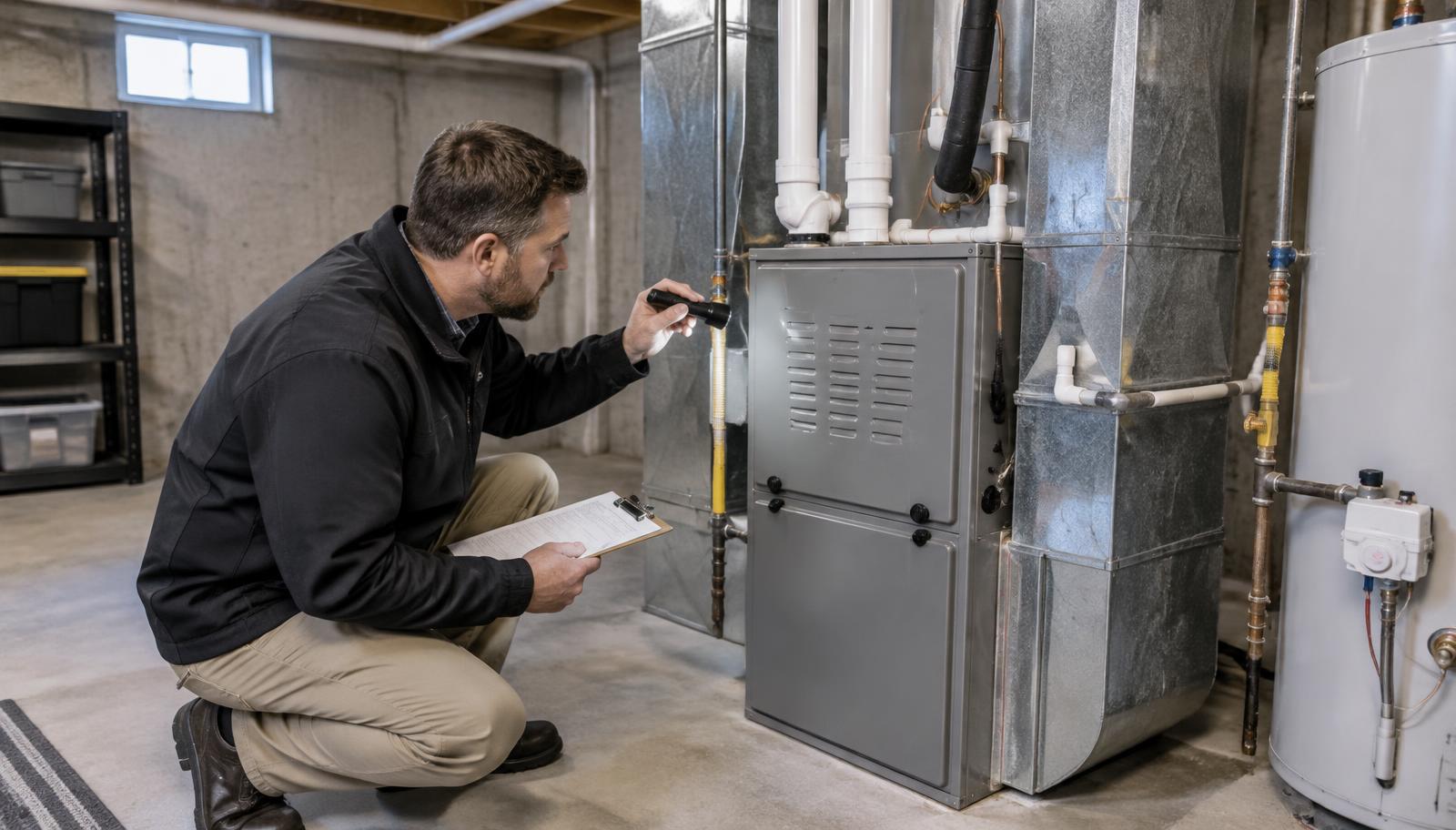
2. Check the Heating System and Insulation
Winter temperatures in Cheyenne make reliable heating especially important.
Before purchasing a home, find out how the heating system performs and whether it has been properly maintained.
Ask the inspector to evaluate accessible components of the furnace or other heating equipment. You may also want to ask the seller for service records.
Important questions include:
- How old is the heating system?
- Has it received regular maintenance?
- Are there signs of significant wear?
- Is the thermostat functioning correctly?
- Are visible ducts and vents in acceptable condition?
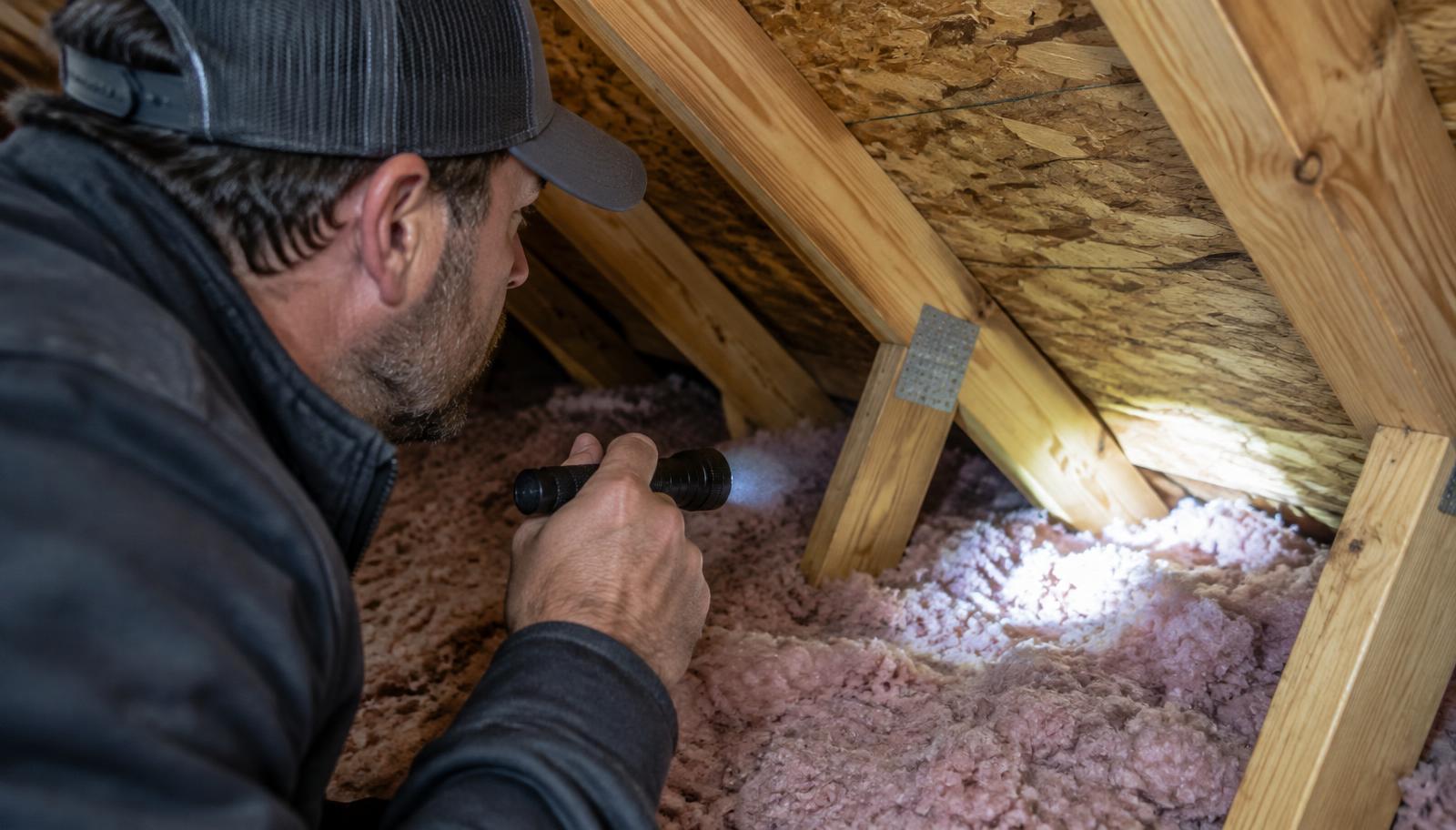
- Does the attic have adequate insulation?
A general home inspection can identify observable concerns, but a qualified HVAC technician may be needed for a more detailed evaluation.
Don't overlook windows, doors, and weather sealing, either. Air leaks and insufficient insulation can affect comfort and energy costs during Wyoming's colder months.
3. Look for Foundation and Drainage Concerns
The foundation supports the entire property, making it another important inspection area.
Not every crack signals a major structural problem. However, certain conditions deserve professional attention.
Look for signs such as:
- Large or expanding cracks
- Uneven flooring
- Doors and windows that don't close properly
- Water stains or moisture in basements
- Poor grading around the foundation
- Downspouts directing water toward the house
Drainage matters because rainwater and melting snow should move away from the structure.
If your inspector identifies possible foundation movement or significant structural concerns, a qualified structural engineer may be appropriate.
When comparing homes for sale in Cheyenne, remember that property condition matters just as much as location and square footage.
4. Consider Radon Testing
Radon is an important consideration when purchasing a home in Wyoming.
It is a naturally occurring radioactive gas that cannot be detected by sight or smell. It can enter buildings through openings around foundations and accumulate indoors.
According to the Wyoming Department of Health, both older and newer homes can have elevated radon levels.
A standard home inspection does not necessarily include radon testing, so buyers should ask whether it is available separately.
If testing identifies elevated levels, consult a qualified radon professional about appropriate mitigation.
For additional information, visit the Wyoming Department of Health's radon resources.
5. Evaluate the Plumbing and Electrical Systems
Plumbing and electrical problems can become expensive after purchasing a home.
Your inspector should assess accessible plumbing fixtures and visible system components for leaks, damage, or signs of improper installation.
Pay attention to:
- Water pressure and drainage
- Leaks beneath sinks
- Water heater condition
- Visible pipe corrosion
- Electrical panel condition
- Damaged outlets or switches
- Functioning safety devices
Older Cheyenne homes may have undergone multiple renovations over the years, so it's worth asking whether significant electrical or plumbing work was completed and whether documentation is available.
Depending on the property's age and condition, a sewer-line camera inspection or specialized plumbing evaluation may also be worth considering.
6. Pay Attention to Property-Specific Features
Not every house in Cheyenne has the same inspection needs.
A property in an established city neighborhood may require a different approach from a house on rural acreage outside city limits.
For properties in Laramie County, additional considerations may include:
- Private wells and water quality
- Septic system condition
- Outbuilding structures
- Fencing and drainage
- Driveway access
- Private utility systems
Buyers considering rural properties should also review Mary's guide to buying land and acreage near Cheyenne.
It's important to understand which inspections are included in your contract and which specialized evaluations may need to be arranged separately.
7. Understand What Happens After the Inspection
An inspection report can contain many observations, from minor maintenance suggestions to significant repair concerns.
Don't assume that every item requires immediate attention.
Review the findings with your inspector and your Realtor to understand which issues may affect safety, functionality, financing, or your long-term ownership costs.
Depending on your purchase agreement, potential next steps may include requesting repairs, negotiating a credit, conducting further inspections, or proceeding with the property as agreed.
The options available to you depend on the contract terms and applicable deadlines.
A local Realtor can help you navigate these discussions without losing sight of your overall homebuying goals.
Frequently Asked Questions About Home Inspections in Cheyenne
Do I need a home inspection when buying a house in Cheyenne, WY?
A home inspection is strongly recommended, even when it isn't required by the purchase contract or lender. It provides valuable information about the property's condition before closing.
Should I inspect a newly built home?
Yes. Newly constructed homes can still have installation issues, incomplete work, or defects that deserve attention. A professional inspection provides another opportunity to identify concerns.
How much does a home inspection cost in Cheyenne?
The cost varies depending on the size and type of property, the inspector, and any additional services requested. Contact local inspection providers for current pricing and service details.
Can a home inspection help with negotiations?
Potentially. Depending on the purchase agreement and inspection results, buyers may have opportunities to discuss repairs or other terms with the seller.
Conclusion: Buy Your Cheyenne Home With Greater Confidence
A professional home inspection is about understanding the property you're purchasing, not simply identifying problems.
From roofing and heating to plumbing, drainage, and radon testing, taking time to investigate a home's condition can help you prepare for ownership.
If you're searching for homes for sale in Cheyenne, WY, or surrounding Laramie County communities, working with an experienced local Realtor can make the process easier to navigate.
Mary Knox, Realtor and Associate Broker with Coldwell Banker-The Property Exchange, helps buyers understand their options, evaluate properties, and move toward closing with confidence.
Explore homes for sale in Cheyenne, Wyoming, or contact Mary Knox to begin your home search.
Call or text: 307-631-1922