



Buying or selling a home is a major decision, and local market knowledge can make the process much easier.
If you are planning a move in Cheyenne, Wyoming, understanding how to prepare, what to expect, and which decisions matter most can help you avoid unnecessary stress. Whether you are searching for your next home or getting ready to put your current property on the market, a clear plan is one of the best places to start.
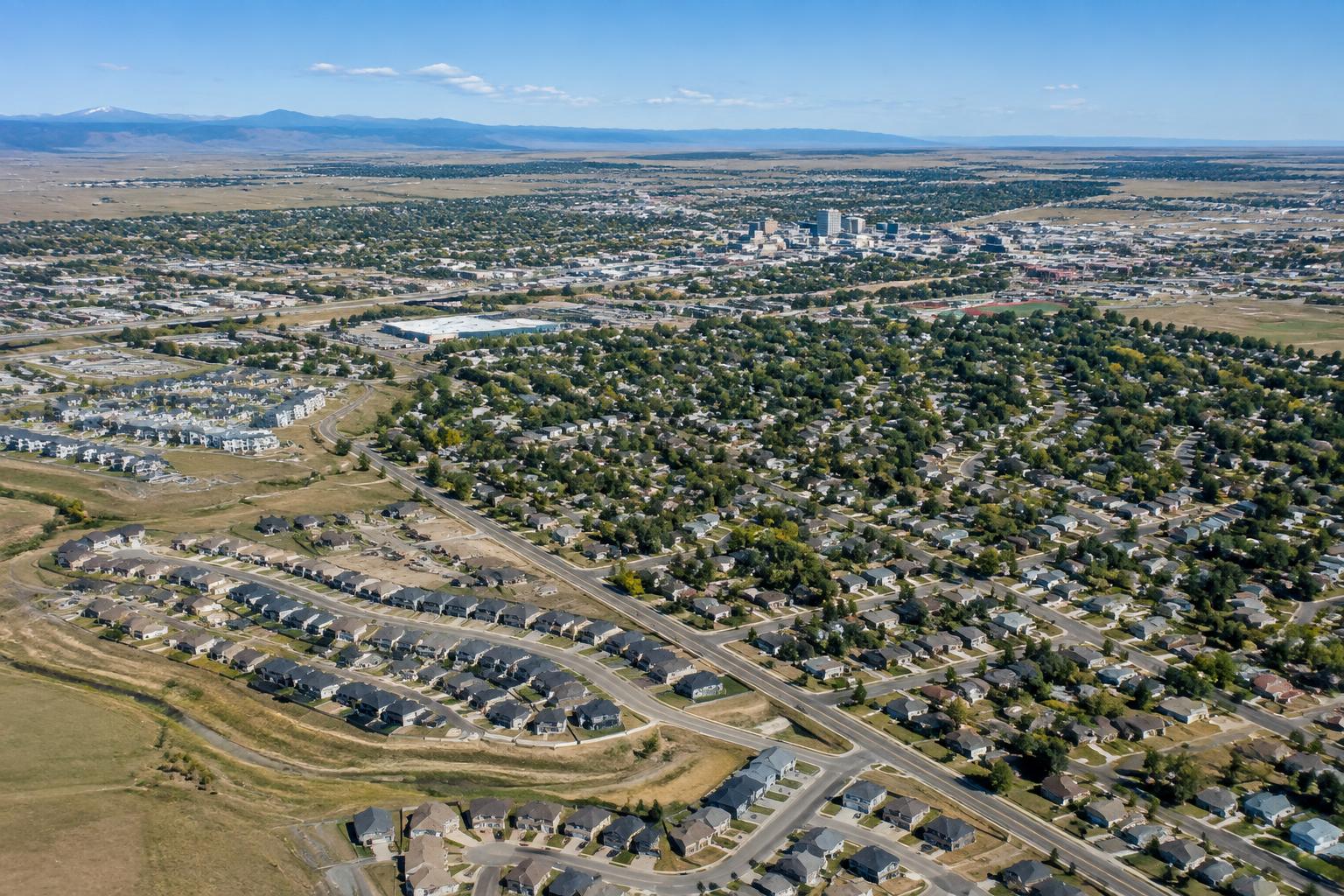
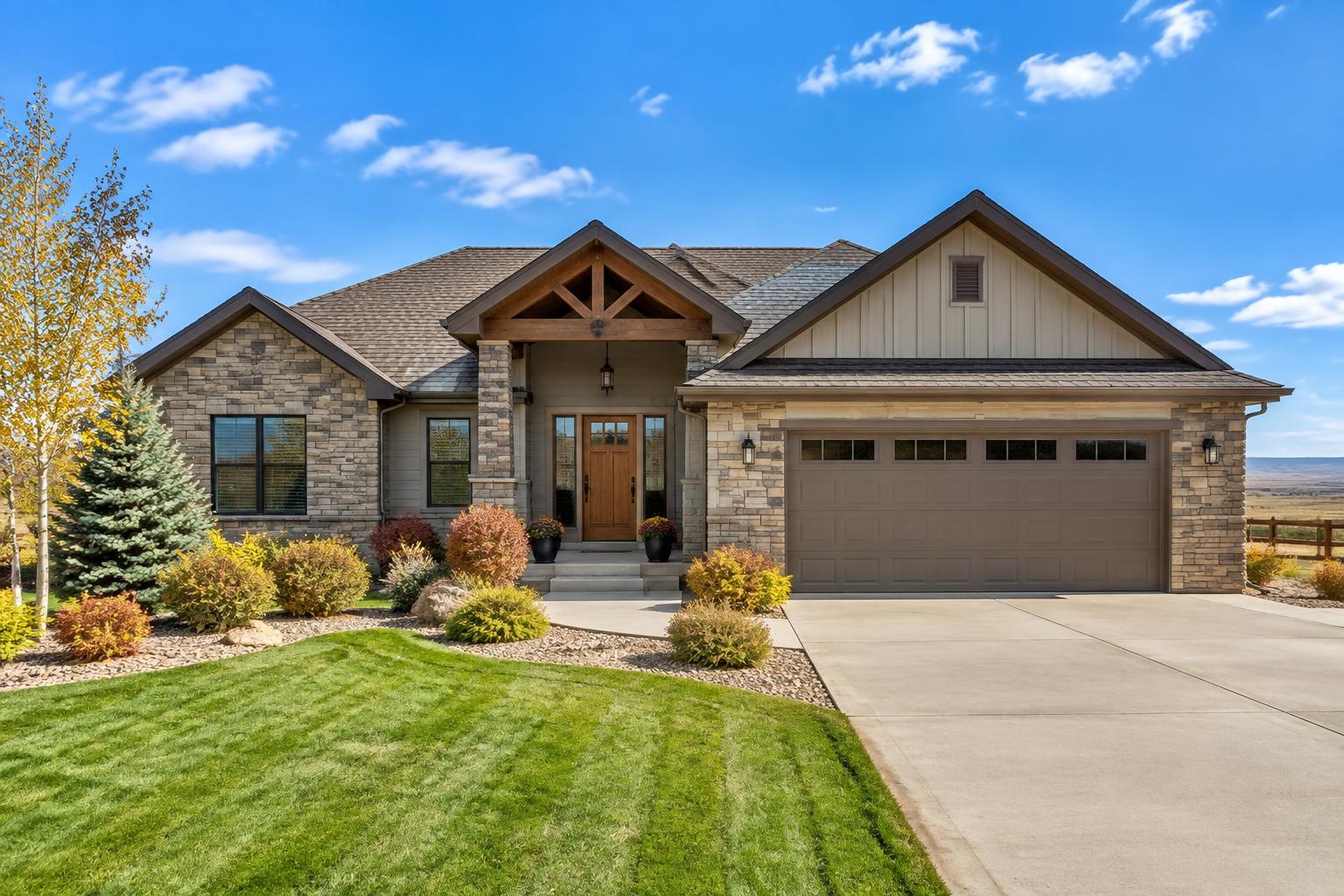
The Cheyenne real estate market includes a wide mix of properties, from established homes in long-standing neighborhoods to newer construction, acreage, and properties throughout the surrounding Laramie County area.
Here are some of the most important things local buyers and sellers should know before making a move.
1. Buyers Should Know Their Budget Before Starting the Home Search
Looking at homes is exciting, but buyers can save themselves time by understanding their financing first.
Before seriously searching for homes for sale in Cheyenne, WY, talk with a lender about your mortgage options and request a pre-approval.
A pre-approval can help you understand:
- The price range you may qualify for
- Your estimated monthly payment
- Possible down payment requirements
- Closing costs
- Which loan options may fit your situation
Knowing your budget helps you focus on homes that make sense financially instead of falling in love with a property that may be outside your comfortable price range.
It can also help you move more confidently when the right home becomes available.
2. Sellers Should Start With the Right Asking Price
One of the biggest decisions a seller makes is choosing the listing price.
Pricing too high can make a home less attractive to buyers and may cause it to spend more time on the market. Pricing too low could mean leaving money on the table.
The right starting point comes from looking at the local market.
A Cheyenne Realtor can review recent comparable sales, current competition, location, condition, property features, and other factors that may influence a home's value.
Online estimates can be useful as a starting point, but they do not always account for the details that make one property different from another.
For sellers, a strong pricing strategy is not simply about choosing the highest number. It is about positioning the property so buyers see value.
3. Local Buyers Should Look Beyond the Listing Photos
Online home searches make it easy to compare properties, but photos only tell part of the story.
When buying a home in Cheyenne, consider the property's location, condition, layout, lot, and long-term suitability.
Think about questions such as:
- Does the floor plan work for your daily routine?
- Is there enough storage?
- How much outdoor space do you want?
- Are you comfortable with the home's age and maintenance needs?
- How does the location fit your commute and lifestyle?
- Would you prefer an established neighborhood or newer construction?
Cheyenne offers different housing styles and settings, so it helps to decide which features are truly important before touring too many properties.
A clear list of must-haves and nice-to-haves can keep your search focused.
4. Sellers Should Prepare the Home Before Listing
You do not always need a major renovation to make a home more appealing to buyers.
Often, small improvements can make a meaningful difference.
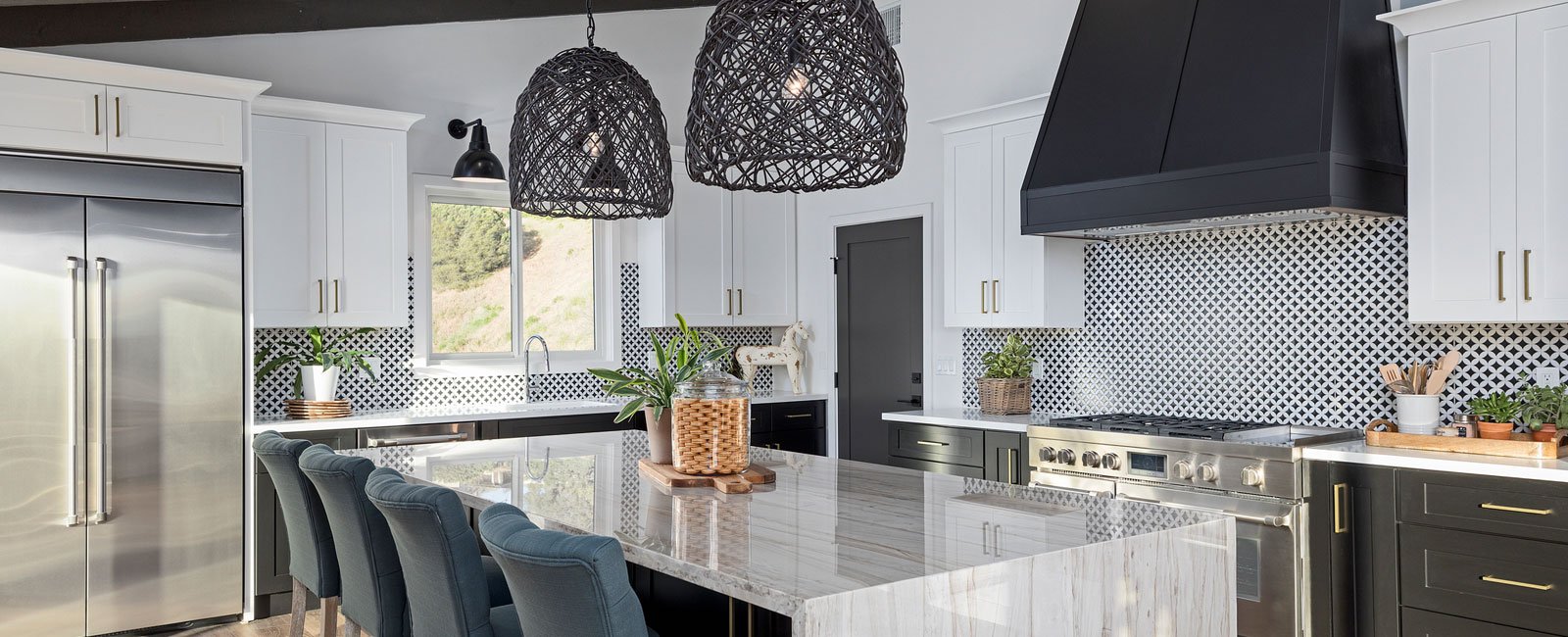
Before listing a home in Cheyenne, consider taking care of visible maintenance items and improving the overall presentation.
That may include:
- Decluttering rooms
- Cleaning thoroughly
- Touching up paint
- Repairing minor damage
- Improving exterior appearance
- Organizing closets and storage areas
- Removing excess personal items
- Making sure rooms feel bright and welcoming
The goal is to help buyers focus on the home itself.
A property that feels clean, cared for, and easy to picture living in may make a stronger first impression both online and during in-person showings.
5. Buyers Should Take Inspections Seriously
Once an offer is accepted, buyers may be eager to move toward closing.
This is also the time to slow down enough to understand the condition of the property.
A professional home inspection can help identify potential concerns involving systems and components such as:
- Roofing
- Heating
- Plumbing
- Electrical systems
- Foundation
- Windows
- Exterior features
- Appliances
- Drainage
No home is perfect, including newer homes.
The purpose of an inspection is not necessarily to create a long list of demands. It is to help the buyer understand what they are purchasing and make informed decisions before closing.
Depending on the property, additional inspections may also be worth considering.
6. Sellers Should Understand That the Best Offer Is Not Always the Highest Offer
When multiple buyers are interested in a home, it is easy to focus only on price.
However, sellers should review the entire offer.
Important terms may include:
- Purchase price
- Financing type
- Down payment
- Earnest money
- Inspection terms
- Closing date
- Seller concessions
- Contingencies
- Requested personal property
A slightly lower offer with stronger terms may sometimes be more attractive than the highest offer.
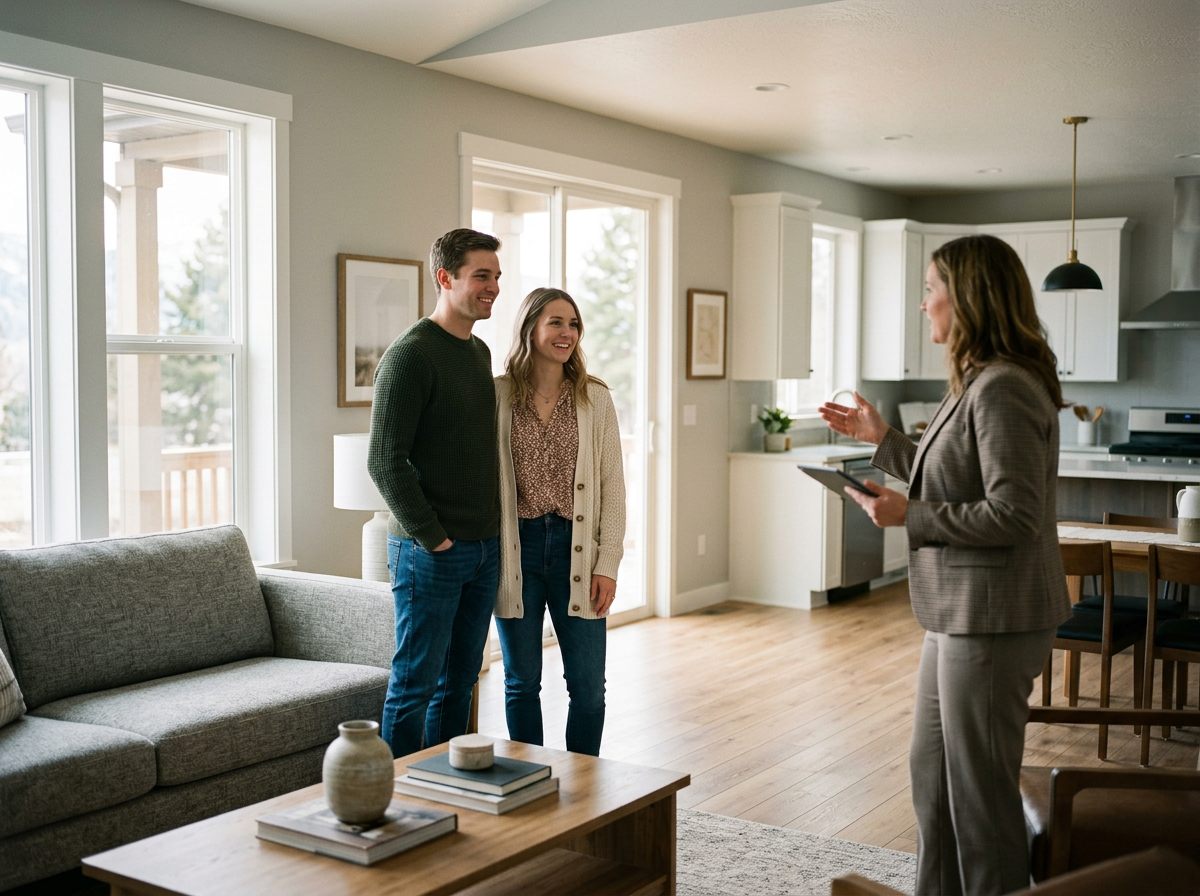
Your Realtor can help explain the differences so you can compare each offer based on the complete picture.
7. Both Buyers and Sellers Should Prepare for Negotiations
Real estate transactions often involve negotiation.
For buyers, that may mean negotiating purchase price, inspection concerns, closing costs, or other terms.
For sellers, it may mean deciding how to respond to offers or requests made after an inspection.
The process is usually smoother when both sides understand their priorities.
Buyers should know what they are willing to compromise on and where they need to hold firm.
Sellers should decide which terms matter most and avoid reacting emotionally to every request.
Having an experienced local real estate professional involved can help keep discussions focused on practical solutions.
Why Local Market Knowledge Matters in Cheyenne
Real estate is highly local.
A strategy that works in another city or even another part of Wyoming may not make sense for a particular property in Cheyenne.
Local market conditions can influence:
- Pricing
- Buyer demand
- Available inventory
- Negotiation strategies
- Time on market
- Competition between buyers
- The types of homes available
Different parts of Cheyenne and the surrounding area can also attract buyers for different reasons.
Some buyers may prefer established neighborhoods. Others may be searching for newer construction, more land, or a home outside the city center.
That is why working with someone who understands the Cheyenne and Laramie County market can be especially valuable.
Tips for Choosing the Right Cheyenne Realtor
Whether you are buying or selling, the right Realtor should help you feel informed rather than pressured.
Look for someone who understands the local market and communicates clearly.
A good real estate professional should be able to:
- Explain the process in plain language
- Answer questions promptly
- Provide local market information
- Help buyers evaluate properties
- Help sellers prepare and price their homes
- Coordinate important transaction deadlines
- Communicate with lenders, inspectors, title professionals, and other parties
You should feel comfortable asking questions throughout the process.
Buying or selling a home is too important to feel unsure about what happens next.
Common Mistakes Buyers and Sellers Can Avoid
Both buyers and sellers can make the process more difficult by rushing.
Buyers may begin shopping without understanding their financing, overlook inspection concerns, or focus too heavily on cosmetic features.
Sellers may overprice their home, delay needed repairs, or assume that every offer should be judged only by price.
Another common mistake is waiting too long to ask for professional guidance.
Getting answers early can help you make better decisions before a small issue becomes a larger one.
Conclusion: Make Your Next Cheyenne Real Estate Move With Confidence
Whether you are buying your first home, moving to a different part of Cheyenne, downsizing, selling a long-time property, or simply exploring your options, preparation matters.
Buyers should understand their financing, priorities, and property condition before making a commitment.
Sellers should focus on preparation, pricing, presentation, and evaluating offers carefully.
Most importantly, both buyers and sellers benefit from having someone local who can help them understand what is happening in the market.
If you are planning to buy or sell a home in Cheyenne, Wyoming, or the surrounding Laramie County area, Mary Knox can help you navigate the process from the first conversation through closing.
Ready to make your next move? Contact Mary Knox to discuss your Cheyenne real estate goals and take the next step with a local plan.